Oil spill on deck: the SOPEP, containing it and reporting it
A fuel vent overflows on deck: stop the transfer, raise the alarm, plug the scuppers and lay absorbents, report to the coastal state and the company, and record it.
- Phase 6: Emergencies and ship handling
- 5 steps on the bridge
- 4 oral questions
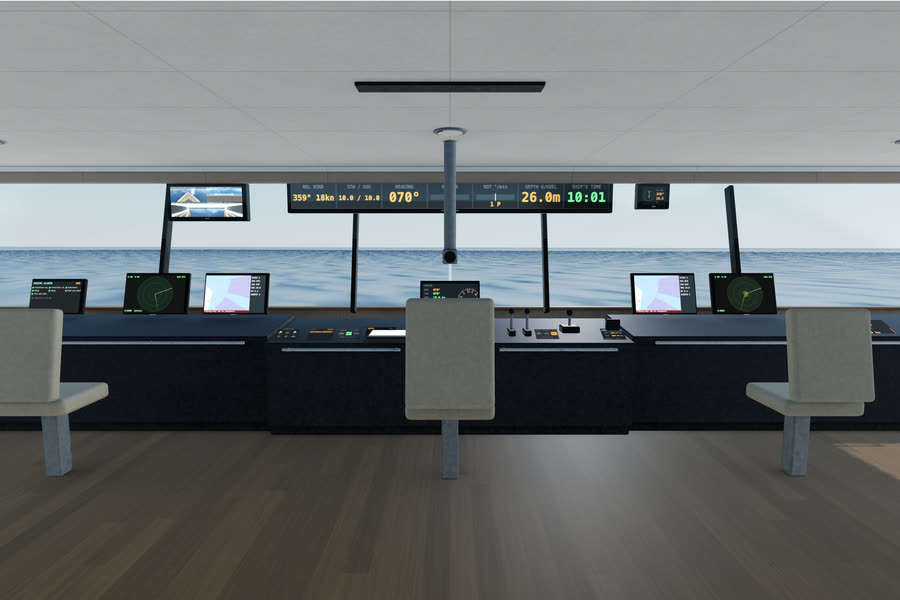
What you do on the bridge
- Stop the source
- Contain it on deck
- Raise the alarm and tell the master
- Report it
- Record it
The oral questions, and what a good answer covers
The key points are in our own words. In the course, these questions come once you have done the job.
What is the SOPEP, and what does it contain?Often asked
A good answer covers:
- The shipboard oil pollution emergency plan, required by MARPOL Annex I for oil tankers of 150 GT and over and other ships of 400 GT and over
- The procedure for reporting an oil pollution incident, and when to report
- The list of authorities and people to contact: coastal states, ports, and the ship's own interests such as the company and insurers
- What the crew do to reduce or control a discharge, step by step, and the ship's plans and pumping arrangements
- How the ship coordinates with national and local authorities in fighting the pollution
Show me on the bridgeThe SOPEP card: the orders, the report and the oil record book.
Oil is coming out of a tank vent on deck. What do you do?Often asked
A good answer covers:
- Stop the source: stop all oil transfers and close the valves
- Raise the alarm, muster the SOPEP team, and tell the master
- Contain it on deck: plug the scuppers, lay absorbents and booms from the SOPEP locker, and transfer what can be recovered to a slop or empty tank
- Fire precautions: no smoking, no naked lights, and stop ventilation drawing in fumes
- Do not use dispersants or wash oil over the side without the coastal state's approval
- Report any oil in the water, and record it
Who do you report an oil spill to, when, and what goes in the report?Often asked
A good answer covers:
- Any discharge, or probable discharge, to the nearest coastal state, without delay
- In United States waters, at once to the National Response Center, which passes it to the federal on-scene coordinator: the coast guard in coastal waters
- The company, through the designated person ashore, and the insurers as the SOPEP lists them
- Ship, position, time, type of oil and estimated quantity, the cause, the weather, and the action taken
- Follow-up reports as the situation develops
How is an accidental discharge recorded?
A good answer covers:
- In the oil record book Part I, under code G, accidental or other exceptional discharges of oil
- Time, position, approximate quantity and type of oil, and the circumstances and reasons
- Signed by the officer in charge, each page signed by the master
- Also in the deck log, and the SOPEP reports kept with it
How the lesson runs
The tutor's narration from the lesson, step by step. On the bridge, each control lights up as it is named.
Brief
We're lying stopped in the Lower Bay, standing in for at anchor. The engineers are moving fuel between tanks. Every ship of our size carries a shipboard oil pollution emergency plan, the SOPEP, and its card is on the bridge.
The plan comes down to four things, in order: stop it, contain it, report it, record it. Listen for the deck.
Stop the source
There it is: oil from the port fuel vent, running aft, and some already over the side. First, stop the source. On the SOPEP card, order the engine room to stop all oil transfers.
Contain it on deck
Now keep the rest on board. The oil reaches the scuppers in a couple of minutes: have them plugged, then get the absorbent pads and booms out of the SOPEP locker.
No dispersant. Spraying chemicals on oil in the water needs the coastal state's permission, and on deck it only spreads the problem.
Raise the alarm and tell the master
Announce it on the PA for the crew: an oil spill on the port side deck, SOPEP team to muster, no smoking and no naked lights on deck. Then tell the master.
Report it
Oil went into the water, so it must be reported to the coastal state without delay. Here in United States waters that means the coast guard. Give our position, the oil, about how much went over the side, and what we are doing.
Then report to the company, through the designated person ashore, as the contact list in the plan says.
Record it
Last, the records. An accidental discharge goes in the oil record book Part One under its own code: find it in the list. Then the deck log, with the times of each action.
The rules and guidance behind it
- MARPOL Annex I, regulation 37: shipboard oil pollution emergency plan
- MARPOL Annex I, regulation 17 and appendix III: oil record book Part I, code G
- United States: oil discharges reported to the National Response Center (33 CFR 153.203)
Do it, then explain it.
Read the answers here for free. With a pass you work this lesson on the bridge, then practise its questions and mark your answers.