Preparing for the pilot and the master-pilot exchange
Make the bridge ready for the pilot, fill in the pilot card, then hand it over, check his plan against ours and agree the con.
- Phase 6: Emergencies and ship handling
- 8 steps on the bridge
- 3 oral questions
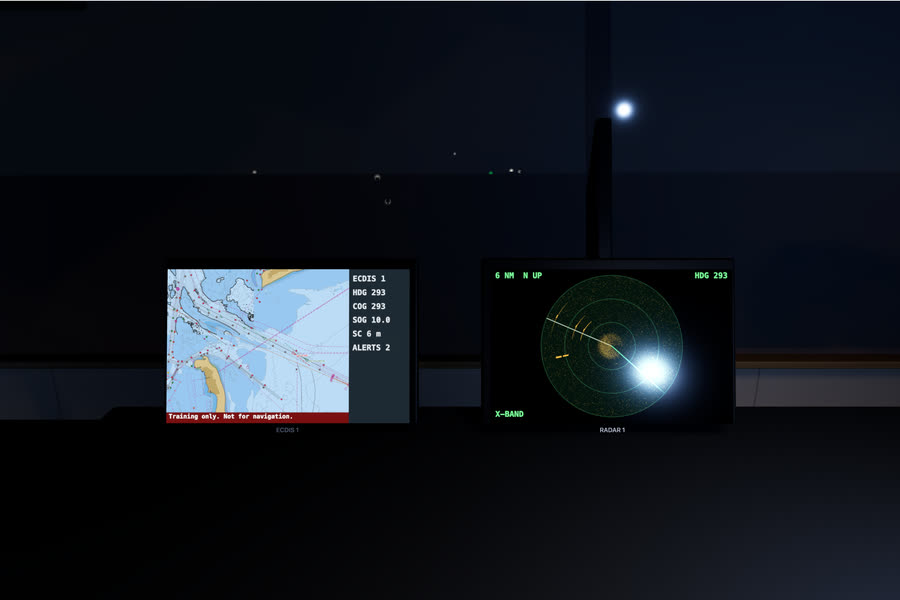
What you do on the bridge
- Ready the bridge
- Fill in the pilot card
- Call the pilot station
- Pilot on the bridge
- Hand over the card
- The wheelhouse poster
- Check and agree his plan
- Agree the con
The oral questions, and what a good answer covers
The key points are in our own words. In the course, these questions come once you have done the job.
How do you prepare the bridge for taking a pilot?Often asked
A good answer covers:
- The passage plan covers the pilotage to the berth, and the pilot station has our ETA
- Steering gear tested, engines on stand-by and on bridge control, thrusters ready
- Anchors cleared away and ready to let go, with the crew standing by
- The pilot card filled in, and the wheelhouse poster and manoeuvring data at hand
- The Master called, and the boarding arranged: side, ladder height, lee and speed as the pilot station asks
Show me on the bridgeAt the port wing console: the checks before the pilot, and the pilot card.
What goes on the pilot card?Often asked
A good answer covers:
- The ship: name, call sign, length, beam and tonnage
- Draughts forward and aft, and the air draught, as they are now
- Engines and propellers: type, power, and the speeds at each engine order; thrusters
- Anchors and cable, and anything else in the manoeuvring data
- Defects that matter to the pilot: engines, steering, thrusters, navigation equipment
What is covered in the master-pilot exchange?Often asked
A good answer covers:
- The ship to the pilot: the pilot card, the wheelhouse poster, how she handles, and any defects
- The pilot's plan: route, speeds, tugs, berthing, and the tide, weather and traffic he expects
- His plan checked against our passage plan, differences talked through and agreed before going on
- Who has the con, the Master still responsible, and how the officer of the watch monitors and speaks up
- The working language, the VTS and VHF channels, and how orders to the helm are given and repeated
How the lesson runs
The tutor's narration from the lesson, step by step. On the bridge, each control lights up as it is named.
Brief
We're inbound for the Ambrose approach, about half an hour from the pilot. The deck crew will rig the ladder and bring him up to the bridge.
Your job is the bridge: get it ready, fill in the pilot card, and when he arrives, the master-pilot exchange. Everything is at the port wing console.
Ready the bridge
First the checks before the pilot. Test the steering, put the engine room on stand-by, have the anchors cleared away, call the Master, and have the wheelhouse poster ready.
Fill in the pilot card
Now the pilot card. The ship's details are printed. Fill in the draughts forward and aft from the mate's note, the air draught, and tick the defects that are still open.
Call the pilot station
Ready. Call the pilot station on VHF and tell them we're ready for the pilot.
Pilot on the bridge
The boat is on her way. Keep the watch until he arrives on the bridge.
Hand over the card
The pilot is on the bridge. Hand him the pilot card. He'll read it, and then tell you his plan.
The wheelhouse poster
Show him the wheelhouse poster too: how she turns, stops and handles, and where the thrusters are.
Check and agree his plan
Listen to his plan and check it against ours before you agree. Where they differ, raise it now, not halfway up the channel.
Agree the con
Last, agree who has the con, the language, and the VHF channels. The pilot cons, but the Master is still responsible, and you keep the watch.
Do it, then explain it.
Read the answers here for free. With a pass you work this lesson on the bridge, then practise its questions and mark your answers.